RoyalAlbert.com - Click Here!

Monday, December 23, 2024

13 Cheap DIY Greenhouse Plans


Greenhouses are great to have for so many reasons.  They extend the growing season in cold climates and can allow you to grow varieties of plants you may not otherwise be able to grow in your area.  They are perfect for starting seeds and can provide a nice little calming retreat.  Large or small, building a greenhouse doesn’t have to break the bank.  Here are 13 inexpensive DIY greenhouse ideas that include plans or tutorials.
1. This simple hoop greenhouse by PondPlantGirl on instructables cost less than $25 to build.  All you need is some PVC pipe with connectors, zip ties, and plastic sheeting.  The full set of instructions is available here.
diy-greenhouse1

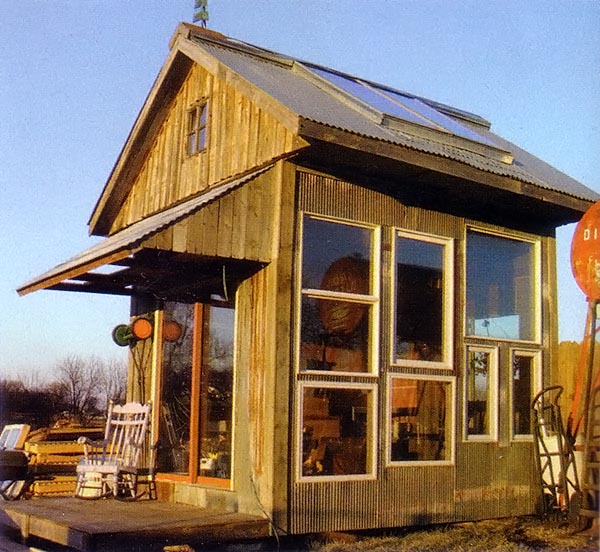
2. For something a little larger and more elaborate, check out this greenhouse project byKenton Knowles on Mother Earth News.  This gorgeous greenhouse is nice enough that it could double as a guest house.  The cost is higher, but a building like this would make a beautiful asset to most properties, and it could be built out of recycled materials to save money.
diy-greenhouse2

3. This beautiful greenhouse was built out of recycled materials by Montana Wildlife Gardener.  Check out their building process and all the wonderful uses for this greenhousehere.
diy-greenhouse3

4. The Door Garden provides a detailed set of instructions for how to build this nice 165 square foot hoop greenhouse – and it costs less than $1 per square foot.
diy-greenhouse4

5. This adorable mini greenhouse is made using recycled storm windows, so it cost nothing in materials!  It is the perfect size to fit on a porch or balcony for those with limited space.  See how to build one on Design Dreams by Anne.
diy-greenhouse5

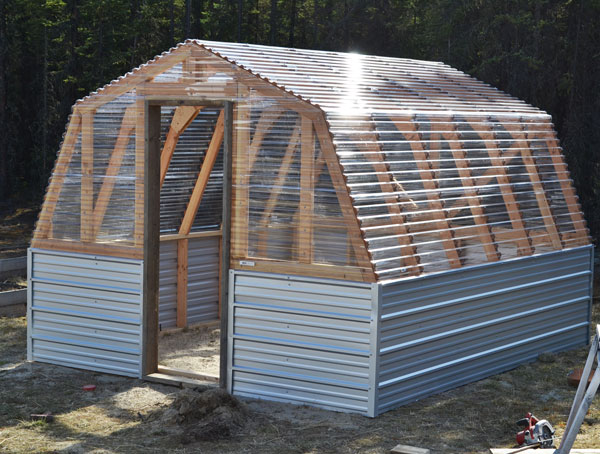
6. This barn-style greenhouse by Ana White was built quickly and has tons of space inside.  She provides the full plans and excellent instructions here.
diy-greenhouse6

7. To protect tomatoes from rainy weather, Sow and Dipity built this small hoop greenhouse in about an hour for less than $50.  See the full tutorial on how to build your own here.
diy-greenhouse7

8. This 8 foot x 10 foot greenhouse from Build Eazy has plenty of floor space and height, with lots of room to add shelves.  It is easily customized, depending on your materials budget.  See the full set of plans here.
diy-greenhouse8

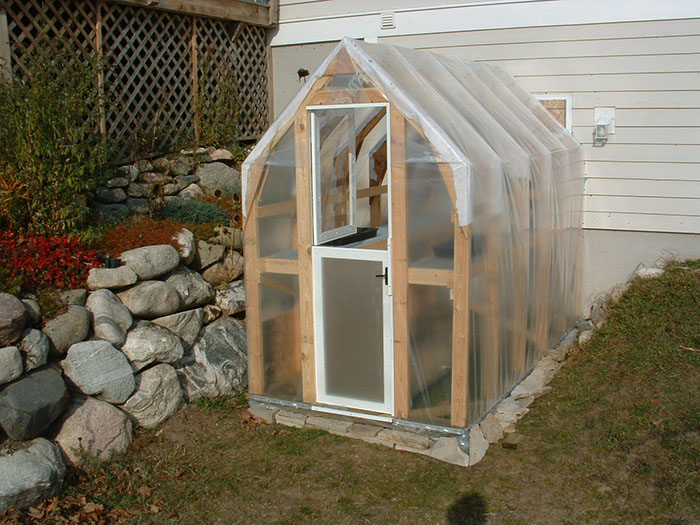
9. This simple but durable greenhouse by ThinMac acts as an extension off the house and has held up to years of use.  See the full process and updates here.
diy-greenhouse9

10. Here is a simple greenhouse from How to Specialists that can be scaled up or down depending on your needs.  See the step by step instructions here.
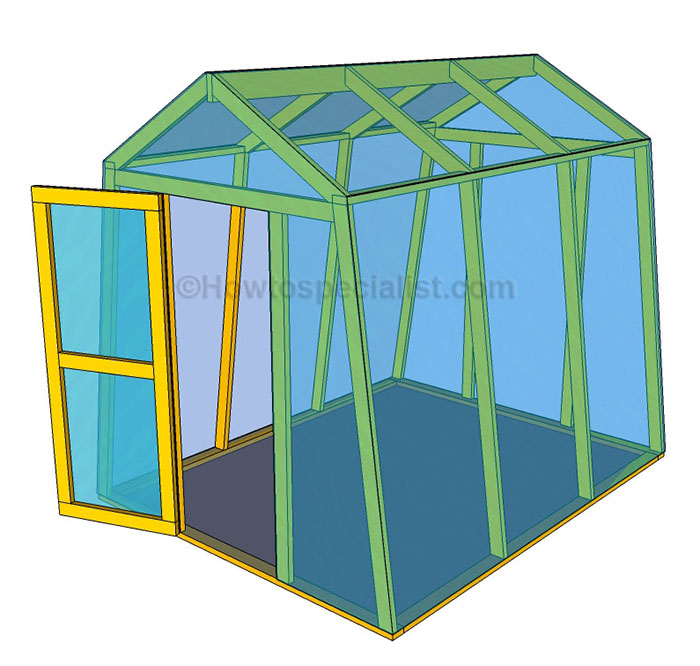
diy-greenhouse10
11. Here is another adorable mini greenhouse that uses recycled CD cases.  This awesome tutorial can be found on So You Think You’re Crafty.
diy-greenhouse11

12. See a detailed set of instructions for this inexpensive DIY greenhouse on Idea Donna Farm.
diy-greenhouse12
13. Lastly, this beautiful geodome greenhouse from Northern Homestead is not quite as difficult to build as it looks.  They provide a detailed tutorial to follow and built it without a permanent foundation so it did not require permits and can be moved around the yard.
diy-greenhouse13

Potato Soup


Potato Soup
Ingredients:
Half gallon milk – (one cup set aside)
1/2 Stick of butter
1/2 Pound of cubed ham
1 Chopped onion
2 Cups diced potato
1 Cup frozen corn
½ Cup flour
Salt to taste
Seasoned salt
Pepper
Parsley

Directions:
Add everything to Dutch oven or large pot except 1 cup milk and flour.  Mix milk and flour in shaker to thicken the soup.  Cook until onions are clear on medium heat, stirring often because milk will burn easily.

Variations:
Mom used to add oysters to it!

Saturday, December 21, 2024

Iron Skillet Ham and Cheddar Cornbread


I have a 10 inch cast  iron skillet that my Mom gave to me several years ago.  I came across my skillet while sorting through my cabinets recently and after one look it was obvious, that it needed a little TLC.  So, I set about to bring my skillet back to life.   Cast iron skillets need to be used and kept "seasoned." New cast iron skillets have been pre-seasoned during manufacturing, but, if you're as fortunate as I am, to have a forgotten "hand me down" skillet you may need to bring it back to life. 

After a little research, I was able to re-season it successfully, and I was chomping at the bit to give it a whirl.  So, I decided to bake a batch of ham and cheddar cornbread to use some of our delectable ham left over from the weekend. If you've never cooked in cast iron,  you are really in for a treat!  Food actually tastes different when cooked in cast iron.  Having my cast iron skillet back in use, only sets my mind spinning as to what I can cook in it next...so, you'll be seeing more dishes cooked up in my newly re-seasoned diamond in the rough!  


 You'll need:
2 Tbsp solid vegetable shortening
Dry ingredients:
1 cup all purpose flour
1 cup plain white cornmeal [I used Martha White]
3 Tbsp sugar
1 Tbsp baking powder
1 tsp salt
1/2 tsp onion powder
1/4 tsp garlic powder
Wet ingredients:
1 3/4 cups buttermilk
1/4 cup vegetable oil
2 large eggs
Mix ins:
1 cup small diced ham
1 1/4 cup shredded sharp cheddar cheese, divided
1 cup whole kernel sweet corn
4 chopped green onions

Directions:
Preheat the oven to 425°F.  Place 2 tablespoons of solid vegetable shortening into 
the cast iron skillet and set it into the oven to preheat and melt the shortening. 
We're going to discard most of the shortening after it melts, but, we need it to 
generously coat the skillet before adding the batter.   In a medium mixing bowl, 
sift together the dry ingredients.


In a separate bowl, whisk together 1 3/4 cups of buttermilk, 1/4 cup of vegetable oil,  
and 2 eggs until combined.


Add the wet ingredients to the dry ingredients and mix together until all of the dry 
ingredients are fully moistened.


Next, add 1 cup of small diced cooked ham, 1 cup of shredded sharp cheddar cheese, 
1 cup of corn and green onions to the batter.  Mix well.


Remove the skillet from the oven and swirl the melted shortening around the pan 
coating the bottom and sides completely.  Discard any excess.  Pour the batter 
into the hot skillet and spread evenly.  Sprinkle the remaining cheddar cheese on top.


Place into the oven and bake for 25-30 minutes or until a toothpick inserted into 
the middle comes out clean.  Rest for 5 minutes before cutting and serving.  
Yield: 8 pieces.

Cook's note:
The process of preheating the cast iron skillet gives the cornbread an incredibly crunchy 
and delicious crust.  If you don't have a cast iron skillet, you can use a square 8x8 inch 
baking dish or a deep dish 9 inch pie plate.  

Tuesday, November 19, 2024

Iron Skillet Cornbread with Ham and Cheese with Jiffy Mix!


Iron Skillet Cornbread with Ham and Cheese with Jiffy Mix!

We love this recipe, and it's easy!

Preheat oven to 400 degrees.

Ingredients:

1 Package Jiffy Mix cornbread mix.
2 Eggs
1 Cup Milk
1/2 Pound cubed ham
About 2" from a block of Velveeta cheese, cubed, or about a cup of your preferred cheese. 
1 Small onion, chopped

Mix Jiffy Mix as directed with eggs and milk, then
add ham, cheese, and onion.

Pour into greased iron skillet and place into oven for about 30 minutes,
or until top is golden brown. Slice and serve! We actually had more than one slice!

Friday, May 10, 2024

Hot Weather Cookies From 1981


In a cookbook from 1981, Freeport Lioness Club, a recipe contributed by Agnes Neal for 
Hot Weather Cookies.  They're awesome, can't stop eating them!

2 cups sugar
1/2 cup coconut
1/2  cup milk
1/4 cup margarine
1 tsp vanilla
1/2 cup peanut butter
1/2 cup chopped nuts
3 cups Minute rolled oats

Combine first 4 ingredients together in saucepan and stir over low heat until boiling.  Remove from heat and add:
1/2 cup peanut butter; mix then add:
1/2 cup chopped nuts
3 cups oatmeal
Drop by teaspoons on cookie sheet or waxed paper.  Let stand until firm.

Saturday, January 27, 2024

Spaghetti sauce recipe

 Spaghetti sauce recipe

From aunt Helen


2 large cans of tomato sauce

1 small can tomato paste

1 or 2 small cans sliced mushrooms

About 8 stalks of chopped celery

2 large onions chopped

2 tablespoons minced garlic

2 tablespoons oregano

2 tablespoons thyme

2 tablespoons parsley

4 tablespoons brown sugar

2 tablespoons vinegar

2 or 3 tablespoons ev olive oil

1 and a half pounds of ground beef

Place all except the ground beef into crock pot and cook a minimum of 4 hours on high. Cook and drain ground beef and add before serving. 

Saturday, December 16, 2023

Ann Page Stuffing from years ago!


My great aunt used to make the Thanksgiving turkey stuffing from this recipe! Every year she'd pull out this can of poultry seasoning and continue with her tradition.  Now that she's gone, I've continued the tradition with the same little can of seasoning!  

Instructions:


Melt 1/2 cup butter or margarine in large skillet.  Add 2 large onions, minced, 1 1/2 cups chopped celery (or part apple), 8 cups dry bread cubes, 2 teaspoons salt, 1 teaspoon pepper, 1 teaspoon paprika, 1 tablespoon Poultry Seasoning.  Mix well.  Enough to stuff a 10 pound turkey.  

She'd add the giblets from the inside package of the turkey, chopped, and some canned Swanson chicken broth.  

I remember helping her cut 2 frozen loaves of white bread into cubes and baking it at a low oven. Being frozen kept the bread from getting squished!  

Good memories!


Sunday, March 29, 2015

Homemade Taco Shells #1

Photo

Homemade Taco Shells #1

  • Prep Time: 2 mins
  • Total Time: 22 mins
  • Servings: 4-6

About This Recipe

"These are so good, you may NEVER buy taco shells again! But be prepared to be the last one to have a chance to sit down and eat. As soon as I sit down to eat my first taco, my guests are needing their 3rd or 4th or 5th one cooked...But, it is well worth it to hear that these are the best tacos they have ever had!"

Ingredients

    • 1 cup flour
    • 1/2 cup yellow enriched cornmeal
    • 1/4 teaspoon salt
    • 1 1/2 cups water
    • 1 egg

Directions

  1. Preheat a dry skillet over medium/high heat.
  2. Mix the ingredients well.
  3. The batter will be runny.
  4. Drop by large utensil spoonful onto skillet, quickly spreading the batter in a circular motion, working from the inside out.
  5. Each side only takes about 1 minute of cooking.
  6. The shells are not supposed to brown.
  7. When the shells are removed from the pan, they can be molded into"taco shell shape" by placing, half-curled, between two objects, such as coffee cups.
  8. I like to serve them to each guest directly from the pan without molding them, however, becuz I find that they dont crack while still hot and pliable.
  9. Fill with all the taco stuffin's and enjoy!


NUTRITION FACTS

Serving Size: 1 (99 g)
Servings Per Recipe: 4
Amount Per Serving
% Daily Value
Calories 186.8
 
Calories from Fat 18
82%

Amount Per Serving
% Daily Value
Total Fat 2.0g
3%
Saturated Fat 0.5g
2%
Cholesterol 46.5mg
15%
Sugars 0.2 g
Sodium 171.7mg
7%
Total Carbohydrate 35.6g
11%
Dietary Fiber 1.9g
7%
Sugars 0.2 g
0%
Protein 6.0g
12%

Tuesday, March 17, 2015

Easy salsa recipe


Ingredients

6 tomatoes
3 jalapenos (warning: hot)
1 medium white onion
1/2 a medium red onion
1 cup cilantro (I’m a fiend- so a little less if you aren’t)
5 cloves garlic
3 limes juice (hell, I even threw in some of the pulp)
1 tbsp cumin
1 tsp sea salt (More can always be added but not taken away!)
1 tsp chili powder
Optional/Seasonal:

How to make this recipe

First of all you need 1 cup (2-3 ears) of grilled/pan fried corn. If pan frying it, try putting in 3 tbsp of pineapple juice & 2 tbsp EVOO. Since you are using pans now, I would probably add the garlic, salt, 1/2 the cilantro, cumin & chili powder now.
Sweeten it up with some diced fruit of your choice- pineapple, mango, peach etc.

Monday, March 9, 2015

Old-Fashioned Pine Tar Salve

Old-Fashioned Pine Tar Salve - Photo by Jan Berry (HobbyFarms.com)

Jan Berry
Hobby Farms Guest Blogger

Some of us grew up with a grandma or great-grandma who kept a jar of black salve on hand for all manner of skin ailments. Every family had their own special recipe, but it usually contained ingredients like tallow, lard, pine tar, chimney soot, or sometimes even onions and flour. It was thick and smelly, but it worked like a charm!
This modern-day adaptation of an old-fashioned home remedy will fill a 2-ounce glass jar. Because a little bit goes a long way, a single batch will last a family for several months. You can easily double or triple the amounts though, if a larger supply is needed.
Old-Fashioned Pine Tar Salve - Photo by Jan Berry (HobbyFarms.com)
Ingredients
  • 1/4 cup herb-infused olive, sunflower, or other light oil
  • 1 to 2 teaspoons beeswax
  • 1/2 tablespoon pine tar
  • 1/4 teaspoon activated charcoal
Preparation
For best results, infuse the oil with dried herbs first. Check your yard for plantain or violet leaves or use dried rose, calendula or lavender flowers. Let them air dry on a clean dishcloth for a few days until crumbly. Place the dried herbs in a small jar and pour twice as much oil over them. Cover the top with cheesecloth or a scrap of old T-shirt, using a rubber band to secure in place. Let the jar sit in a sunny window for a few days (or weeks) before straining. Store any leftover finished oil in a cool, dark place for up to one year.
For easiest cleanup, repurpose a used tin can to make this salve. You could also use a small, heat-proof canning jar.
Old-Fashioned Pine Tar Salve - Photo by Jan Berry (HobbyFarms.com)
Measure the oil and beeswax into the can or jar, and set it in a saucepan containing 1 to 2 inches water, creating a makeshift double boiler. Use 1 teaspoon beeswax for a softer ointment consistency or 2 teaspoons for a firmer salve. Heat on medium-low until the beeswax has melted.
Remove the jar from heat, and stir in the pine tar and charcoal with a disposable spoon. Immediately pour into a small glass jar and let cool before capping. Because of its strong drawing nature, avoid storing in metal tins or plastic containers, as the salve could potentially pull impurities from them over time. Shelf life is at least a year.
Use It
Old-Fashioned Pine Tar Salve - Photo by Jan Berry (HobbyFarms.com)
Dab a small amount on a bug bite, splinter, boil or other skin irritation. Cover with a bandage for several hours or overnight. Wash off and repeat as necessary.
Maker’s Tips
  • Pine tar can usually be found in in the horse section of your local feed store. It can be made two different ways: open kiln or kiln method. Because the open-kiln method could potentially produce small amounts of creosote (a carcinogen), try to find the closed-kiln type for this project. A popular brand for making salves and soaps is Auson http://www.amazon.com/Kiln-Burn-Pine-Tar-Liter/dp/B000P7K46S. Unfortunately, because it's imported from Sweden, it's also quite expensive. For brands you find locally, check their website or customer service number to help determine the type of pine tar they offer. They won't be able to advise you on use for humans, though, as their products are only tested and intended as a horse-hoof treatment.
  • Activated charcoal is recommended to have on hand for poison control or food poisoning. You can usually find it in a drug store, pharmacy section of your grocery store or a health store. If you can only get it in capsules, just break open enough of them to reach the 1/4 teaspoon needed for the recipe.
  • Castor oil makes a wonderful addition to this salve and can be used for part of the oil portion.
  • Place a piece of wax paper over your work area when handling pine tar and activated charcoal. If spilled, they could stain light-colored countertops. The finished salve will also stain clothing, so apply carefully.
  • While this is an excellent home remedy for minor ailments, consult with a qualified health care professional for serious injuries and wounds.

Friday, February 20, 2015

Make Your Own Laundry Detergent

Make Your Own Laundry Detergent - 6 ingredients, cost you about $28 a year, this recipe makes a batch that will last a year! Works in HE washers and with cold water too! (Recipe back by popular demand)
Ingredients -
1 (4 lb 12 oz) Box of Borax- Found in the detergent aisle
1 (3 lb 7 oz) Box of Arm & Hammer Super Washing Soda- Found in the detergent aisle
1 (3 lb) Container of OxyClean- Found in the detergent aisle. (This is optional but I highly recommend adding it)
2 (14.1 oz) Bars of Zote Soap- Found in the detergent aisle (we chose to do pink for the scent but the white would be just fine. You can also use Fels Naptha)
1 (4 lb) Box of Arm & Hammer Baking Soda- Found in the cooking aisle (You could also get two 2 lb box, we couldn’t find the larger 4lb box when we went)
1-2 (55 oz) Bottle of Purex Crystals Fabric Softener- or use 3-4 bottles of Scentsy Washer Whiffs. Scentsy washer whiffs are my top choice, (they smell out-of-this-world amazing – my favorite is Quiver), but when in a hurry, I opt for the Purex, (which can be found in the detergent aisle).
The hardest most time consuming part is grating the cheese soap. It looks like pink cheese….has anyone ever seen pink cheese? If you do not have a food processor you will need to use a typical hand grater. We would recommend using a large mixing bowl to grate into and using the fine side of the grater. Another option is to microwave the soap before hand. First, cut the bar into chunks or slices. Pop it into the microwave for about a minute. It will expand… a lot…but then it is dry and just crumbles into tiny bits! The hardest part is now over and all that’s left is to mix everything together. Use a very large bucket and take a layering approach to mix it easier. Take a small amount of each ingredient and layer it on top of each other, then grab a large mixing spoon and mixed it together. Do this about 5 times. This is so much easier than dumping all the ingredients in at once and then trying to u it well. This batch makes A TON! Now for probably the best part…you only need 1-2 Tablespoons per load depending on the size. Now here comes the stroke of genius, if you opted to put the Purex Crystals in your batch, you can scoop the detergent right into your bottle and use the cap as your measuring spoon. There are 3 lines on the side and the middle one is approximately 2 Tablespoons…genius right?

Wednesday, February 18, 2015

13 Do’s & Do Not’s of Growing Tomatoes


5 May 2013, by gj


Don’t
Purchase seedlings that have flowers on them. You may think you are getting a head start, but really what the plants need to do first is establish their roots, not produce babies. Let them get settled in.
Do
If you started your own plants and they are budding, pinch those flowers off. Really, you’ll get more fruit in the long run.
The tomatoes are ready, is the soil?
Don’t
Over fertilize. It’s fine to give your plants some good healthy compost, but take it easy on the fertilizer. Too much will grow wonderful bushy and green, albeit unproductive, plants. Same goes for your peppers by the way.
Do
Give them a bit of Epsom salts. They love that stuff. If they don’t need it, it won’t hurt. It is good to have it as a preventative measure to help grow healthier plants.
Do
Plant your transplants very deep. ‘Up to their necks’ is what the farmers say. This way they will grow a great root system, as mentioned above. The better the roots, the more productive the plants will then be.
Ready to rumble.
Ready to rumble.
Don’t
Water from above, if you can help it. This can cause soil to splash up on the stems, making them more prone to disease. Try to use a soaker hose whenever possible with tomatoes.
Do
Mulch, especially if you are watering from above. This helps prevent that soil splash just mentioned, as well as holds the moisture your tomatoes may need.
Do
Put in the stakes you are going to use for support at the same time you plant. You don’t want to go back later and start damaging those roots you both worked so hard for.
Do
Know what type of tomato you are growing. If it’s a ‘determinate’ type, it may suddenly stop producing. Learn more by following the link at the end of this post.
Don’t
Stress it. Are you feeling over run with tomatoes? Are you concerned about fruit flies in your kitchen? Simply wash some of those tomatoes off and toss them in the freezer. When you have time, thaw to use. A bonus: the skins will slip right off after defrosting.
Happy in their cloched bed.
Do
Enjoy a variety if you have the room. Roma and plum tomatoes are best for preserving, slicing types for fresh eating, and of course cherry tomatoes for snacking. Plant tomatoes based on how you intend to use them.
Don’t
plant them outside before the soil temperature is 50F. How warm the soil has become is a function of how close the sun is, the depth, and how much sunshine the area gets. Surface soil can feel warm but 6 inches down it can still be quite cold. Some gardeners plant their tomatoes out when the overnight lows are consistently above 50F. Not the same thing, but close.
Tomatoes under glass.
Do
speed up the process by covering the area with black plastic, and turning the soil over every so often. If you plant early, keep those heat loving tomatoes warm through the use of cloches.
In a pinch, canning jars will do the trick, just don’t let the plants get fried. That’s for the green fruit.

Tuesday, February 10, 2015

How to Condition and Plant a Straw Bale Garden

Straw Bale Planter
http://bonnieplants.com/library/how-to-condition-and-plant-a-straw-bale/

When it comes to thrifty, versatile ways to garden, it’s hard to beat a straw bale garden. It often costs less than a bag of potting soil, you can put it wherever you want (no soil required), and it’ll eventually turn into compost – so what is your garden this year can feed your garden next year. How’s that for recycling?
Many garden centers, home improvement stores, and feed stores sell straw bales. Once you bring yours home, there are just a few steps you’ll want to take to get it ready for planting. Learn all about them in our handy video or follow the instructions below.
Choose a sunny spot

Once that bale gets wet (details below), it’ll grow much heavier and harder to move, so make sure it’s where you want it to stay. If you pick a grassy area, put several layers of newspaper or a piece of cardboard underneath to keep grass and weeds from growing up into the bale. Or, if you want to give your bale a more polished, upscale look, consider building a simple, handsome frame to hold it. Ours (pictured above) has casters on the bottom for easy movement, making it perfect for a deck or patio. Use these step-by-step directions to build our Straw Bale Frame. (Tip: You’ll want to condition the bale nearby before you put it in the frame, to avoid getting conditioning-related runoff on your deck.)
two straw bales with alternate sides up
For best results, position the bale so that the side showing cut straw ends (left), not the side with folded-over straw (right), is facing up.

Position the bale

Turn the bale narrow side up, so the strings holding the bale together are now on the sides (you don’t want those strings to be on top, just in case you sever one while you’re planting). On one narrow side, the straw will be folded over; on the other, it will be cut. Make sure the cut side is up, as the hollow straws will allow moisture to penetrate better.

Condition the bale

As soon as moisture hits the bale, it will start to decompose, and the inside will heat right up – definitely not a good thing for the plants. The solution? Condition the bale before you plant. This process usually takes around 10 to 14 days. For the first 3 days, simply water the bale thoroughly so it stays damp. For the next 6 days, in addition to watering the bale, use a liquid fertilizer like Bonnie Herb, Vegetable & Flower Plant Food to add nitrogen to speed the decomposition. Simply add a capful to a gallon of water and pour it all on the bale. (Another option is to sprinkle a cup of ammonium sulfate on the top of the bale on days 4 through 6, then a half-cup on days 7 through 9. Each time, water the fertilizer in.)
compost thermometer in straw bale
As the bale goes through the conditioning process, the internal temperature may rise to 120 degrees or even higher.
On day 10, return to simply watering the bale, and continue doing that until the temperature inside the bale starts to reflect the temperature outside. Use a compost or meat thermometer to keep tabs; you’ll see the temperature start to rise after the first day or two, spike about midway through the process, then start to come back down. Once it reaches ambient temperature, the bale is ready to be planted.

Choose your plants

You can grow just about anything in a bale that you can in the ground — with a few exceptions. Tall plants like indeterminatetomatoes and corn, for example, get too tall and heavy, and can start to break the bale apart. (If you wish to grow tomatoes, stick with bush or other determinate varieties.) Running plants like sweet potatoes can be harder to grow in a bale, too. Also, if you live in a very warm, humid part of the country, the bale may begin to decompose more quickly than in other climates, so you’ll want to stick with smaller plants like herbs and flowers, or use it for your cooler weather leafy crops. Whichever plants you choose, space them the same as you would in the ground.
hands planting bell pepper in straw bale
Give these plant a few weeks and you’ll have plenty of bell peppers to harvest!

Plant the bale

Remove straw to form a hole that is as deep as rootball of your plant (though if you’re planting a tomato, of course, you’ll want to go deeper.) Place the plant in the hole, add some quality potting soil around it for extra nutrients and stability, then fill the rest of the hole in with some of the straw you removed. Water well.

Water and fertilize regularly

Your plants will receive less nutrition from the bale than they would from soil, so it’s important to fertilize them every week or two. You’ll also want to make sure not to let the bale dry out.
And you’re done! You can create your garden out of as many straw bales as you want, arranged in whatever shape or style you like. Happy growing!
Wide Width Damask Jacquard Curtain  - Besthomefashion.com

View more gifts at Zazzle.

Blog Archive